The conversation
Why the person sought care and what kind of change felt appropriate.

Results
RESULT CONTEXT
 Franciele Sofiati Biomedic | Esthetician | Cosmetologist
See examples as guidance, never as a promise of your outcome.
WHAT A PHOTOGRAPH CANNOT SHOW
Why the person sought care and what kind of change felt appropriate.
Skin, anatomy, history, routine and contraindications considered.
Technology, settings, product, technique and number of sessions.
Redness, swelling, peeling, bruising or time needed for remodelling.
Products, protection, habits and follow-up supporting the response.
Whether the concern can recur or needs ongoing care.
RESULT FACTORS
The treatment name is only one part of the result. Baseline condition, biology, technique, timing and aftercare all influence what can change.
Tone, texture, scars, laxity, hair pattern or movement define the baseline.
Device, product, settings, depth, technique and session number matter.
Some results appear quickly; others need recovery or tissue remodeling.
Sun exposure, routine, habits and follow-up can support or limit progress.
TIMING
Some redness, swelling or temporary surface change may be visible first.
Peeling, bruising or treated pigment may temporarily change appearance.
Botulinum toxin and tissue-remodelling treatments need time before review.
Hair reduction, pigmentation and scar plans may involve several sessions.
Ageing, hormones, sun exposure and recurrence can influence maintenance.
Results should be assessed at an appropriate interval—not simply as soon as possible.
NATURAL-LOOKING RESULTS
Natural-looking care is not one fixed aesthetic. It means the degree of change respects the person’s anatomy, expression, preferences and sense of self.
Movement is considered rather than automatically treated as a problem.
The face or body is assessed as a whole rather than as isolated flaws.
More treatment is not assumed to create a better outcome.
A subtle change and a more visible change are not the same request.
The objective is not to copy another person’s appearance.
Gradual change may feel more appropriate than an immediate transformation.

A photograph is only an example; your own progress deserves its own measure.
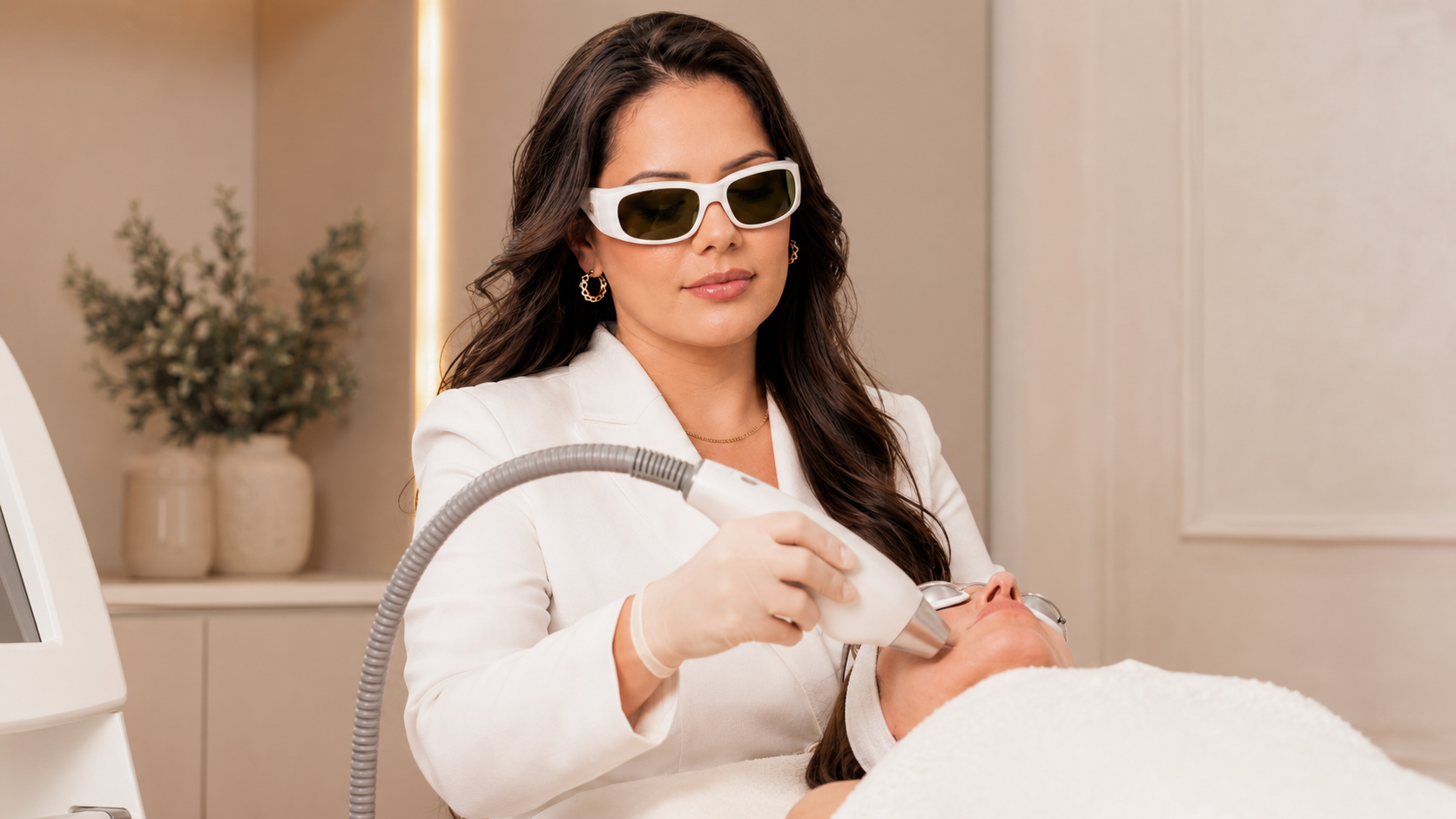
IMPROVEMENT IS NOT ERASURE

Natural confidence grows from improvement that still feels like you.
MAINTENANCE AND RECURRENCE
Aesthetic care does not stop time or remove every trigger. Results may evolve as the body, skin and lifestyle continue to change.
REVIEWING RESULTS
First, compare the response with the expected timeline and treatment information. Some effects settle gradually; others need prompt assessment.
The treatment may still be healing or developing.
Pain, spreading redness, blistering or another unusual change needs contact.
The original goal and treatment limits may need to be discussed again.
Anatomy, swelling and treatment response should be evaluated at the correct time.
Another session should not be assumed before the first response is reviewed.
Sometimes the most appropriate decision is to stop, wait or choose another route.
 Franciele Sofiati Biomedic | Esthetician | Cosmetologist
Your starting point and response matter more than another person’s photograph.