JournalLaser & Technology
Beyond ‘Sensitive Skin’: Understanding Persistent Redness and Visible Facial Vessels
When someone tells me they have “sensitive skin”, I do not assume that every red area needs the same calming product. Redness can have different causes, and understanding the difference is what makes treatment safer.
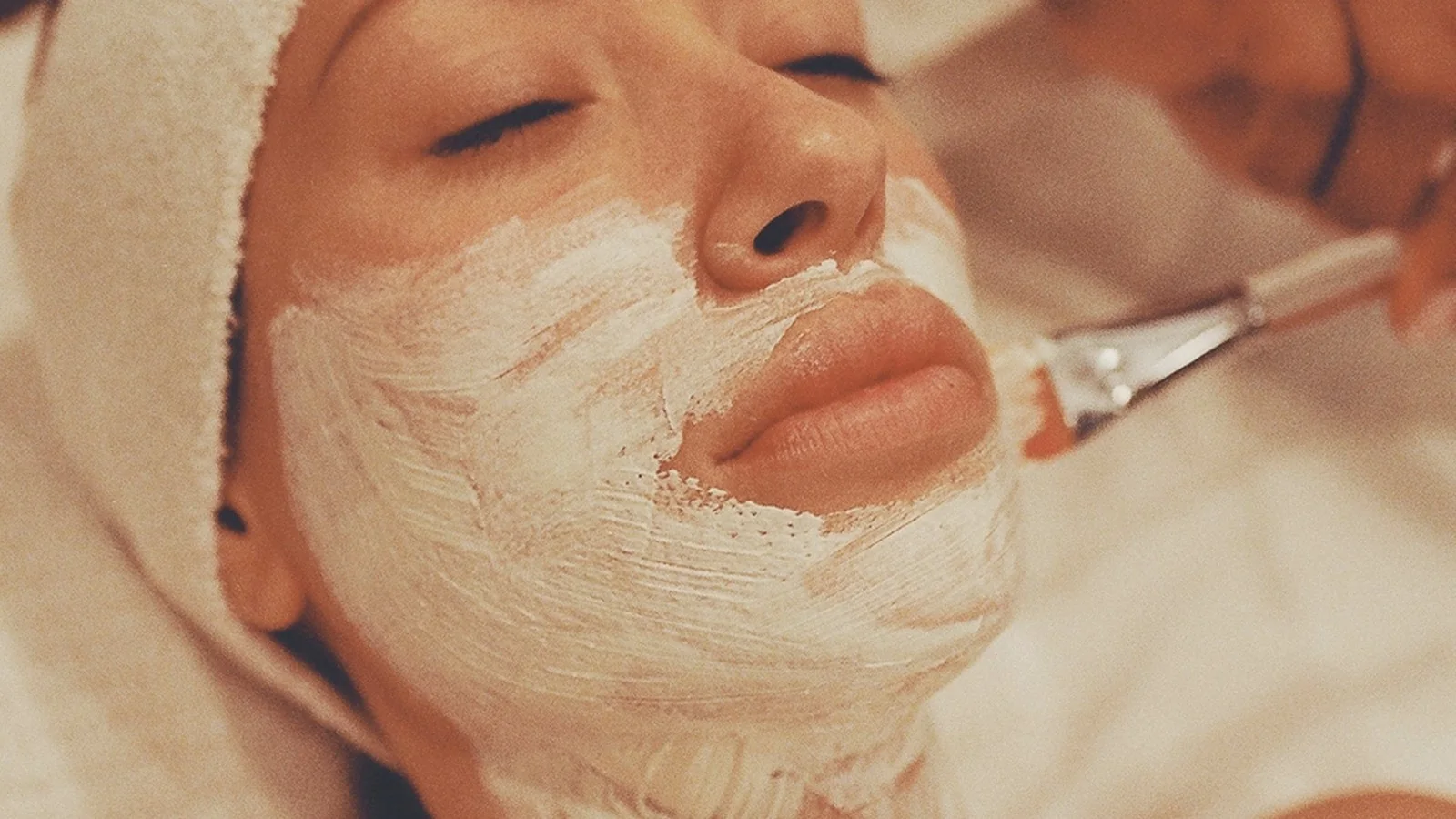

Redness is a clue, not a complete answer
A little redness after exercise, heat or strong emotion is normal. What deserves a closer look is redness that stays, returns very easily, forms visible vessels or appears together with burning and inflamed bumps.
Calling all of these patterns “sensitive skin” can delay a more useful assessment. Sensitivity describes how the skin feels and reacts; it does not identify why the redness is present.
Visible vessels and background redness
Small facial vessels may become more noticeable around the nose, cheeks and chin. Genetics, sun exposure, chronic flushing and inflammatory conditions can all contribute. Some vessels remain visible even when the skin feels calm.
Vascular laser and light technologies work by directing energy towards colour within the blood vessel. The intention is to heat the selected vessel while limiting unnecessary injury to surrounding skin. The exact technology and settings depend on vessel size, depth, colour and the patient’s skin characteristics.
Rosacea changes the conversation
Rosacea is a chronic condition that can involve flushing, persistent redness, visible vessels, bumps, burning and sometimes eye symptoms. Aesthetic treatment may help selected vascular features, but it does not replace medical diagnosis or management of active inflammatory disease.
A patient with suspected rosacea may benefit from coordinated care: medical treatment where needed, a gentle routine, trigger awareness and carefully timed laser or light procedures for persistent vessels or redness.
Why the barrier matters even when vessels are the target
A compromised barrier can make the face sting, burn and react strongly to products or procedures. Moisturising and avoiding unnecessary irritation may improve comfort and support the results of rosacea treatment.
Before vascular treatment, aggressive exfoliation, uncontrolled dermatitis or a recent product reaction may need to settle. Treating calm skin is generally more predictable than treating skin already in a cycle of irritation.
What laser and light treatment may improve
Appropriate vascular technology may reduce selected visible vessels and diffuse redness. Some vessels respond quickly, while others require repeated sessions. Background redness may soften gradually rather than disappear completely.
Results vary because redness may have several components. A procedure can treat a visible vessel, but it cannot prevent every future flush, remove genetic tendency or eliminate a chronic inflammatory condition.
“Vascular treatment can reduce what is visible, but lasting care also pays attention to inflammation, barrier health, triggers and the diagnosis beneath the redness.”
What the treatment experience may involve
During treatment, patients may feel warmth or brief snapping sensations. Cooling may be used to improve comfort and protect the surface. Afterwards, the skin can appear pink, warm or mildly swollen. Some treated vessels darken temporarily before fading.
The expected reaction depends on the target and settings, so aftercare should be based on the actual procedure rather than generic internet advice.
Why sun exposure changes risk
Recent tanning can increase the amount of pigment competing for light energy in the skin. This can affect safety and may lead to postponement. Sun protection is also important after treatment because treated skin can be more vulnerable and continued exposure contributes to vascular and pigment changes.
Planning around holidays, outdoor work and intense summer exposure is part of responsible treatment selection.
Triggers are individual, not moral failures
Commonly reported redness triggers include:
- Heat and sun — including hot environments and sudden temperature changes.
- Alcohol, spicy food and hot drinks — although individual tolerance varies.
- Stress and strong emotion — which can intensify flushing.
- Exercise — particularly when the skin is already warm or irritated.
- Products and procedures — when they disrupt the barrier or provoke inflammation.
- Your own repeated pattern — which matters more than any universal list of forbidden triggers.
A simple diary can be more useful than a long universal trigger list.
When redness should be medically assessed
Sudden one-sided redness, severe pain, facial swelling, fever, eye pain, light sensitivity, visual changes, widespread rash or signs of infection require medical attention. Persistent redness with inflammatory bumps, recurrent flushing or eye symptoms should also be evaluated for rosacea or another condition.
Aesthetic care is most effective when it works within a clear diagnosis rather than trying to treat uncertainty with energy.
What a natural-looking result means to me
Success may mean fewer visible vessels, a softer red background, less dependence on heavy coverage and greater comfort with the skin. It does not require a completely colourless face. Healthy skin has circulation, variation and movement.
The result I look for is not a completely colourless face. It is skin that appears calmer, more even and still completely natural.
Practical guidance
Questions patients often ask
General information supports understanding, but personal suitability and safety still depend on individual assessment.
01Can laser remove all facial redness?
It can reduce selected vessels and diffuse redness, but it cannot eliminate every trigger or cure all underlying conditions.
02Is persistent redness always rosacea?
No. Irritation, dermatitis, sun damage, visible vessels and other conditions can also cause redness. Medical diagnosis may be needed.
03How many sessions are usually required?
The number depends on vessel type, extent, technology, settings and individual response. A series may be recommended.
04Will the vessels come back?
Successfully treated vessels may fade, but new vessels can develop over time because the underlying tendency and triggers may continue.
05Does vascular treatment hurt?
Most people describe brief heat or snapping sensations. Comfort varies with the area, settings and cooling used.
06Can I have treatment if I am tanned?
Recent tanning can increase risk and may require postponement. Be honest about sun exposure during assessment.
07What should I avoid after treatment?
Aftercare varies, but may include avoiding heat, friction, intense exercise, irritating products and unprotected sun for a period.
08Can skincare alone remove visible vessels?
Skincare can support comfort and barrier health but generally cannot remove established visible vessels.
09When should redness be assessed by a dermatologist?
Seek medical review for persistent inflammatory redness, eye symptoms, severe discomfort, uncertain diagnosis or inadequate response to gentle care.
10Can redness and pigmentation be treated together?
Sometimes, but the plan must consider both targets and the risk of irritation. Staging treatments may be safer.

ABOUT THE AUTHOR
Franciele Sofiati
Feeling comfortable in your skin matters, and your concern deserves to be heard with care.
Care, in context
Bring the information into your context.
Look beneath the redness. Personalised consultations are available in Londrina.
An assessment can consider your history, preparation, recovery and alternatives. Reading an article does not confirm that a procedure is suitable for you.
Continue reading
Related perspectives
Skin Health · 6 min
Uneven Tone Is Not One Condition: A More Careful Conversation About Pigmentation
Read next
Laser & Technology · 5 min
Fractional CO₂ Laser Without the Hype: Preparation, Recovery and the Results That Take Time
Read next
Consultation & Care · 6 min