JournalLaser & Technology
Collagen Takes Time: Understanding Ultrasound and Radiofrequency Without Expecting a Facelift
With collagen-stimulating treatments, I prefer to talk about gradual support and refinement rather than dramatic lifting. The most natural results appear slowly and should still look like you.
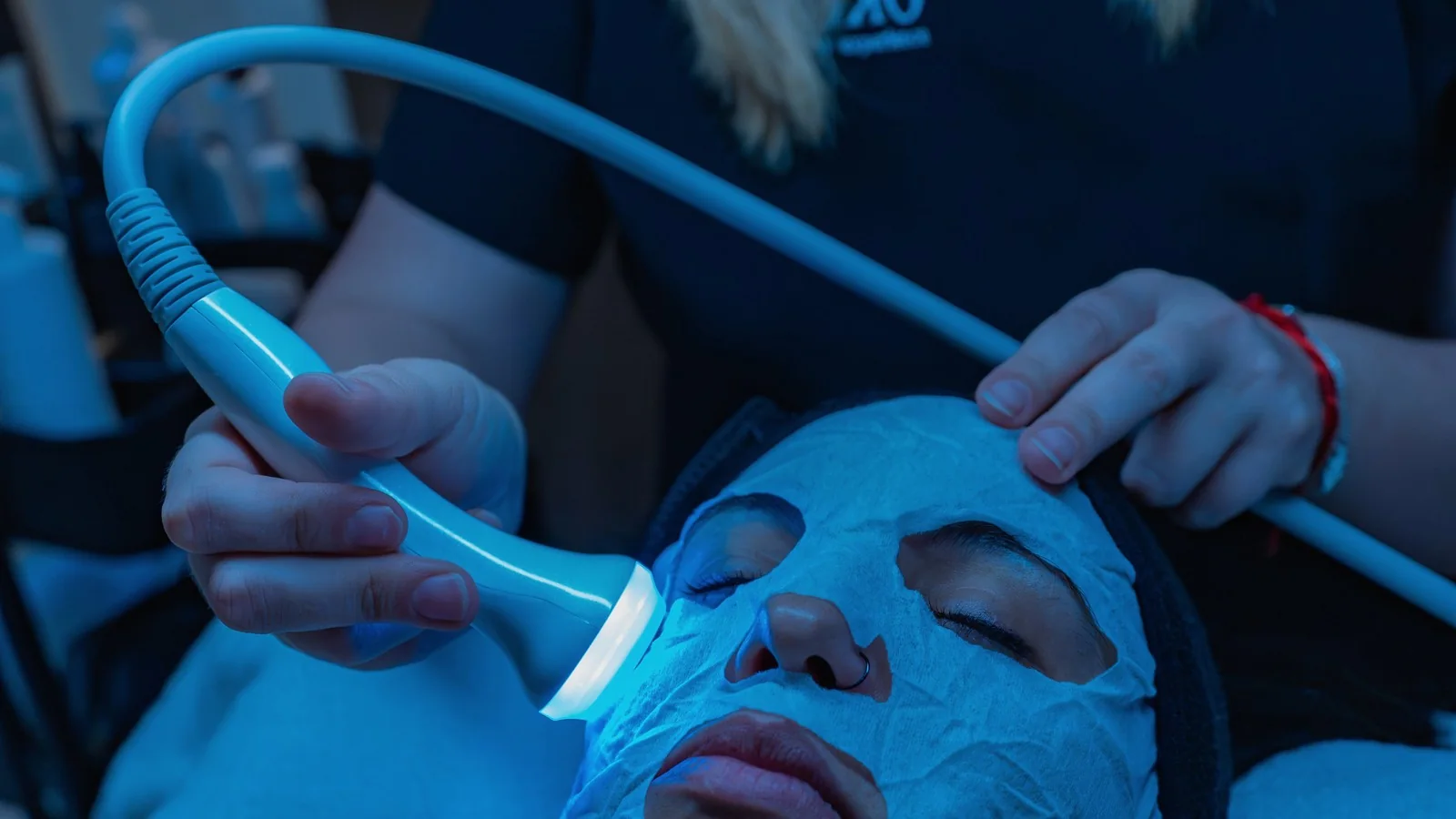

Why collagen has become a marketing word
The word collagen appears everywhere in aesthetic care, but what matters to me is not the promise on a label. It is the practical question: what degree of change can this treatment realistically create in this face, at this stage of life?
Energy-based devices do not pour new collagen into the skin. They create controlled thermal effects intended to trigger contraction and remodelling. The response belongs to the patient’s biology and develops over time.
How microfocused ultrasound works
Microfocused ultrasound concentrates acoustic energy at selected tissue depths while leaving the surface largely intact. Depending on the device and cartridge, energy can be delivered to deeper structural levels or more superficial skin layers. The resulting thermal points are intended to stimulate contraction and a healing response.
This depth selectivity is one of ultrasound’s advantages, but it also means anatomical planning matters. More lines or higher energy are not automatically better.
How radiofrequency differs
Radiofrequency uses electrical energy to generate heat through tissue resistance. Technologies vary: monopolar, bipolar, multipolar and microneedle radiofrequency do not behave identically. Depth, temperature control and energy delivery influence whether the main objective is skin tightening, texture or another target.
Because the category is broad, the name radiofrequency alone does not explain the expected result. The specific device, protocol and tissue being treated are essential.
Who tends to be a realistic candidate
A realistic candidate is usually someone whose concern and expectations match what the technology can provide:
- Mild to moderate laxity — rather than severe excess skin.
- Early softening of the jawline — or a gradual loss of firmness.
- Textural change — where controlled energy may support skin quality.
- A preference for gradual improvement — rather than a surgical degree of lifting.
- Suitable facial anatomy — including skin thickness, volume distribution and previous procedures.
Age alone does not decide suitability. Skin thickness, fat distribution, bone structure, previous procedures and the direction of change all matter.
Why results are gradual
Some immediate firmness may reflect temporary contraction or swelling, but collagen remodelling develops over weeks and months. Studies of microfocused ultrasound commonly assess improvement around three and six months rather than the next morning.
This timeline should shape photography and follow-up. Judging too early can lead to unnecessary retreatment or disappointment.
“Collagen-stimulating treatments are strongest when they are asked to refine, support and gradually improve—not when they are expected to imitate surgery.”
Subtle does not mean ineffective
A subtle result can be valuable when it improves definition without changing expression or identity. The jawline may look slightly clearer, the lower face more supported or the skin more resilient. These changes can be difficult to capture in inconsistent photographs but meaningful in movement and natural light.
The objective should be agreed in advance. A patient seeking dramatic lifting may be better served by a surgical consultation than by repeated non-surgical procedures.
The importance of preserving facial volume
Heat-based treatments can affect tissue beyond collagen depending on depth and parameters. In a naturally lean or volume-depleted face, indiscriminate treatment may not suit the aesthetic objective. The plan should distinguish laxity from volume loss and avoid treating every shadow as loose skin.
Anatomical assessment is therefore more important than following a standard pattern on every face.
Comfort and immediate recovery
Patients may feel heat, pressure, prickling or brief deeper sensations. Mild redness, tenderness or swelling can occur. Some protocols involve little visible downtime, but lack of downtime does not mean lack of biological effect.
Persistent numbness, weakness, severe pain, burns or unexpected tissue changes require prompt assessment.
Combining technologies thoughtfully
Ultrasound and radiofrequency may be used at different stages because they target tissue differently. Combination should not become accumulation. Each procedure needs a defined purpose, suitable interval and understanding of the total energy delivered.
A coherent plan might prioritise deeper support first and surface texture later, or choose only one modality because it already addresses the main concern.
Maintenance without chasing every change
Ageing continues after treatment. Maintenance may be discussed, but it should respond to observed change rather than anxiety about losing the result. Daily sun protection, sleep, nutrition, smoking avoidance and a tolerable skincare routine remain part of skin quality.
I see these technologies as one part of healthy-ageing care, not as a permanent battle against expression, movement or time.
Practical guidance
Questions patients often ask
General information supports understanding, but personal suitability and safety still depend on individual assessment.
01What is the difference between ultrasound and radiofrequency?
They use different forms of energy and can target different depths. Suitability depends on the device, tissue and objective.
02When will I see results?
Improvement usually develops gradually over weeks to months as tissue remodelling occurs.
03Can Ultraformer replace a facelift?
No. Microfocused ultrasound may improve mild to moderate laxity but cannot remove significant excess skin or reproduce surgical lifting.
04Is one session enough?
Some protocols use one session while others use a series. The plan depends on the area, device and response.
05Does treatment reduce facial fat?
Some radiofrequency and ultrasound parameters can affect deeper tissue. This is why depth and patient selection must be carefully planned.
06Is the treatment painful?
Sensation varies and may include heat, pressure or brief deeper discomfort. The protocol should remain tolerable and safe.
07How long do results last?
Duration varies because ageing continues. Maintenance may be considered according to the observed response rather than a universal calendar.
08Can ultrasound and radiofrequency be combined?
Yes in selected plans, but each treatment should have a clear purpose and appropriate interval.
09Who may not be a good candidate?
People with certain implants, active infection, unsuitable medical conditions, unrealistic expectations or anatomy that does not match the treatment goal may need another approach.
10What symptoms after treatment are not normal?
Severe or increasing pain, burns, persistent weakness, marked numbness or unexpected tissue changes require prompt professional or medical evaluation.

ABOUT THE AUTHOR
Franciele Sofiati
The most reassuring progress is the kind you can understand, observe and make your own.
Care, in context
Bring the information into your context.
Choose the depth that matches the concern. Personalised consultations are available in Londrina.
An assessment can consider your history, preparation, recovery and alternatives. Reading an article does not confirm that a procedure is suitable for you.
Continue reading
Related perspectives
Laser & Technology · 5 min
Fractional CO₂ Laser Without the Hype: Preparation, Recovery and the Results That Take Time
Read next
Consultation & Care · 6 min
Before the Treatment: Why Thoughtful Aesthetic Care Begins with a Consultation
Read next
Skin Health · 6 min