JournalConsultation & Care
When More Is Not Better: Rebuilding a Skin Barrier Overwhelmed by Skincare
I often meet people who are trying very hard to care for their skin, yet every new product seems to make it more reactive. In those moments, the kindest and most effective step is usually not to add more, but to simplify.
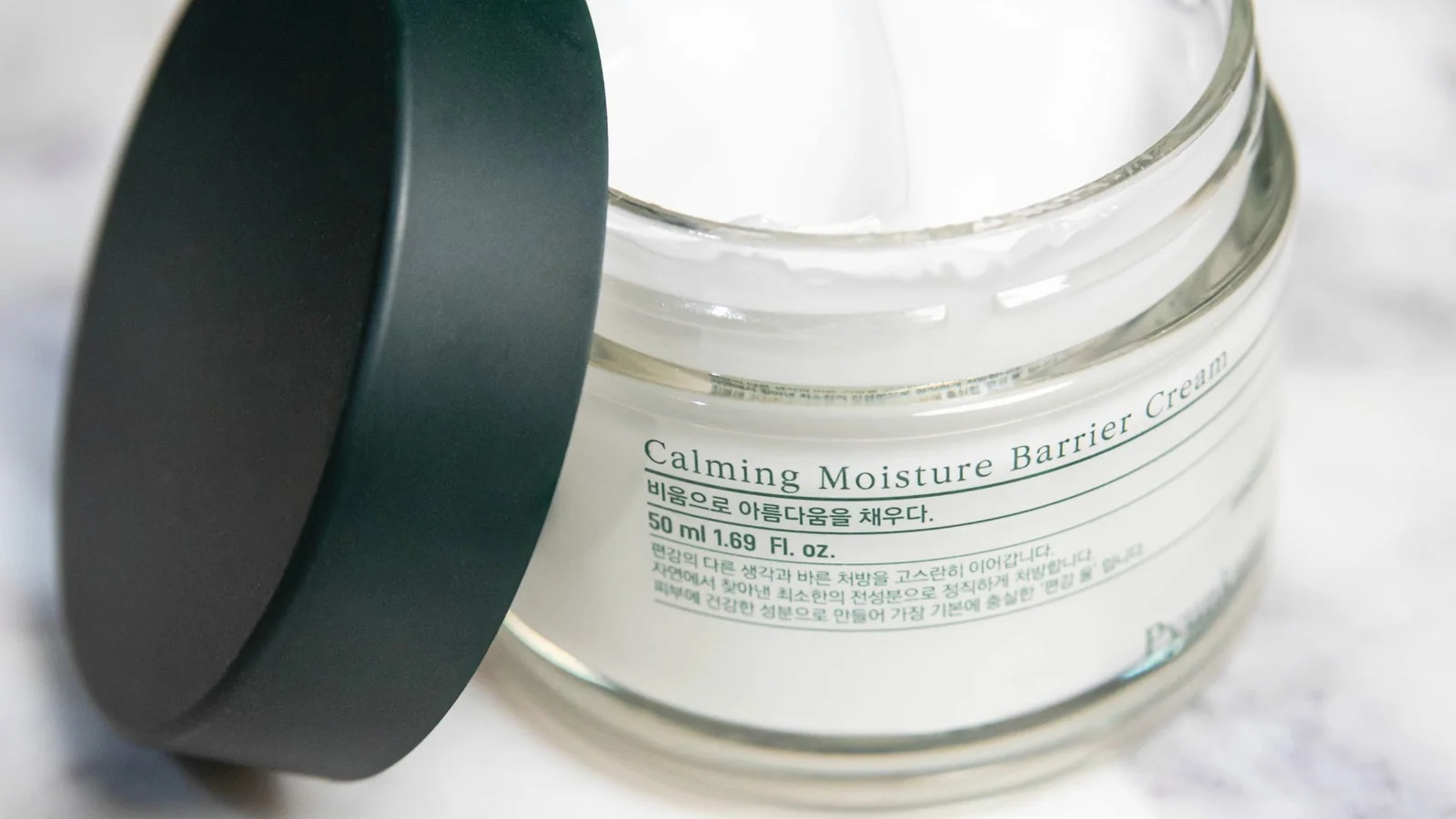

The modern pressure to keep adding
It is very easy for a skincare routine to become a collection of “good” products that do not work well together. Another acid, a stronger retinoid, a brightening serum and a weekly peel may all sound helpful, yet the skin becomes tighter, shinier, more sensitive and harder to understand.
These changes are sometimes interpreted as proof that the routine is “working”. In reality, discomfort can be a sign that the skin’s protective function has been challenged.
What the skin barrier actually does
The outermost layer of the skin helps reduce water loss and limits the entry of irritants, allergens and microorganisms. It is not an inert surface waiting to be removed. It is an active protective structure made of skin cells and lipids arranged in a way that supports resilience.
When this structure is disrupted, water escapes more easily and substances that were previously tolerated may suddenly cause burning or redness. The result can be a confusing combination of dryness, sensitivity, roughness and increased reactivity.
Common signs of an overwhelmed barrier
An overwhelmed barrier can show itself in several ways:
- Stinging or burning — even when applying products that once felt comfortable.
- Persistent tightness or flaking — especially after cleansing.
- Unusual redness or tenderness — with greater reactivity than usual.
- Rough, unsettled texture — sometimes with small inflamed bumps.
- More oil but less comfort — because irritated skin can still be dehydrated.
These signs are not specific to barrier damage. Dermatitis, rosacea, allergies, infection and other conditions can look similar, which is why persistent or severe symptoms should not be self-diagnosed indefinitely.
How good products become too much
An individual product may be well formulated and still be unsuitable when combined with several other active products. Exfoliating acids, retinoids, benzoyl peroxide, scrubs and strong cleansing products can all have a place, but frequency and combination matter.
The problem often develops gradually. A person increases use because there was no immediate irritation, introduces another active ingredient and continues exfoliating through the first signs of sensitivity. Climate, sun exposure, hormonal changes and recent procedures can then reduce tolerance further.
Purging is not a universal explanation
The idea of purging is frequently used to justify almost any negative reaction. Certain ingredients that influence cell turnover can temporarily bring existing comedones to the surface more quickly, but persistent burning, swelling, intense itching, spreading rash or worsening sensitivity should not be dismissed.
A reaction may be irritant, allergic or related to an unrelated skin condition. Continuing every product in the hope that the skin will adapt can deepen the problem.
“A strong routine is not the one with the greatest number of active ingredients. It is the one the skin can tolerate consistently enough to benefit from.”
The value of a deliberately boring routine
When the skin is overwhelmed, a short routine is often more useful than a sophisticated one. The exact products must be individualised, but the general direction is gentle cleansing, a well-tolerated moisturiser and daily broad-spectrum sun protection. Fragrance, scrubs, multiple acids and unnecessary active layers may be paused.
The purpose is not to abandon skincare forever. It is to create a stable baseline from which products can later be reintroduced one at a time, with enough time to observe the response.
Why moisturising is not merely cosmetic
A suitable moisturiser helps reduce water loss and supports the comfort of the outer skin. Texture matters: a light lotion may suit one person, while another needs a richer cream or ointment in selected areas. Applying moisturiser soon after gentle cleansing can help retain water.
More expensive is not automatically more reparative. The best choice is the product the skin can consistently tolerate and the patient will actually use.
Procedures require a stable starting point
Treating an already irritated face with an aggressive peel, laser or intensive extraction can increase the risk of prolonged inflammation and pigmentation changes. Before many procedures, the skin needs to be calm, intact and protected from recent sun exposure.
A consultation may therefore lead to a preparation phase rather than immediate treatment. This is not lost time. A stable barrier makes later care more predictable.
How to reintroduce active products
Once comfort has returned, products can be added gradually. One change at a time makes it easier to identify what helps and what causes irritation. Frequency can begin lower than the final target and increase only if the skin remains comfortable.
The routine should serve the skin’s priorities. A person does not need every fashionable ingredient, and a product should not remain in the routine simply because it is popular.
When sensitivity needs medical investigation
Seek medical assessment for facial swelling, blistering, intense itching, crusting, oozing, eye involvement, spreading rash, severe pain or symptoms that do not improve after suspected irritants are stopped. Recurrent episodes may require evaluation for allergic contact dermatitis, rosacea, eczema or another condition.
I can help simplify a routine and support the skin while it settles, but persistent or severe symptoms should never be hidden beneath another cosmetic product when a medical diagnosis may be needed.
Practical guidance
Questions patients often ask
General information supports understanding, but personal suitability and safety still depend on individual assessment.
01How long does a damaged skin barrier take to recover?
There is no fixed timeline. Mild irritation may settle relatively quickly, while significant inflammation can take longer and may need medical treatment.
02Should I stop every skincare product?
Not necessarily. A simplified routine usually keeps essential gentle cleansing, moisturising and sun protection, but individual advice is important.
03Can oily skin have a disrupted barrier?
Yes. Oiliness does not prevent dehydration or irritation, and aggressive degreasing can make reactivity worse.
04Is stinging from an active ingredient normal?
Brief mild sensation can occur with some products, but persistent burning, marked redness or worsening sensitivity should not be ignored.
05Can I exfoliate dry flakes away?
Scrubbing or adding acids may worsen irritation. Flaking skin often needs gentler care and moisturising rather than more exfoliation.
06What is the difference between purging and irritation?
Purging is limited to certain cell-turnover ingredients and typically affects acne-prone areas. Burning, itching, swelling and widespread sensitivity suggest irritation or allergy rather than purging.
07Can I have a laser treatment while my skin is irritated?
Often it is safer to postpone until the skin is stable. Suitability must be assessed before the procedure.
08Does fragrance-free always mean non-irritating?
No product is universally tolerated, but fragrance-free formulas may reduce one common source of irritation for sensitive skin.
09How should I restart retinoids or acids?
Reintroduce one product at a time at a low frequency after the skin is comfortable, following professional or medical guidance.
10When should I see a dermatologist?
Seek medical review for severe, persistent or recurrent symptoms, swelling, blistering, oozing, eye involvement, signs of infection or an uncertain diagnosis.

ABOUT THE AUTHOR
Franciele Sofiati
Giving your skin time to recover is a meaningful way to care for yourself.
Care, in context
Bring the information into your context.
Simplify before you intensify. Personalised consultations are available in Londrina.
An assessment can consider your history, preparation, recovery and alternatives. Reading an article does not confirm that a procedure is suitable for you.
Continue reading
Related perspectives

Consultation & Care · 6 min
A Clearer Starting Point: What Professional Skin Cleansing Can — and Cannot — Do
Read next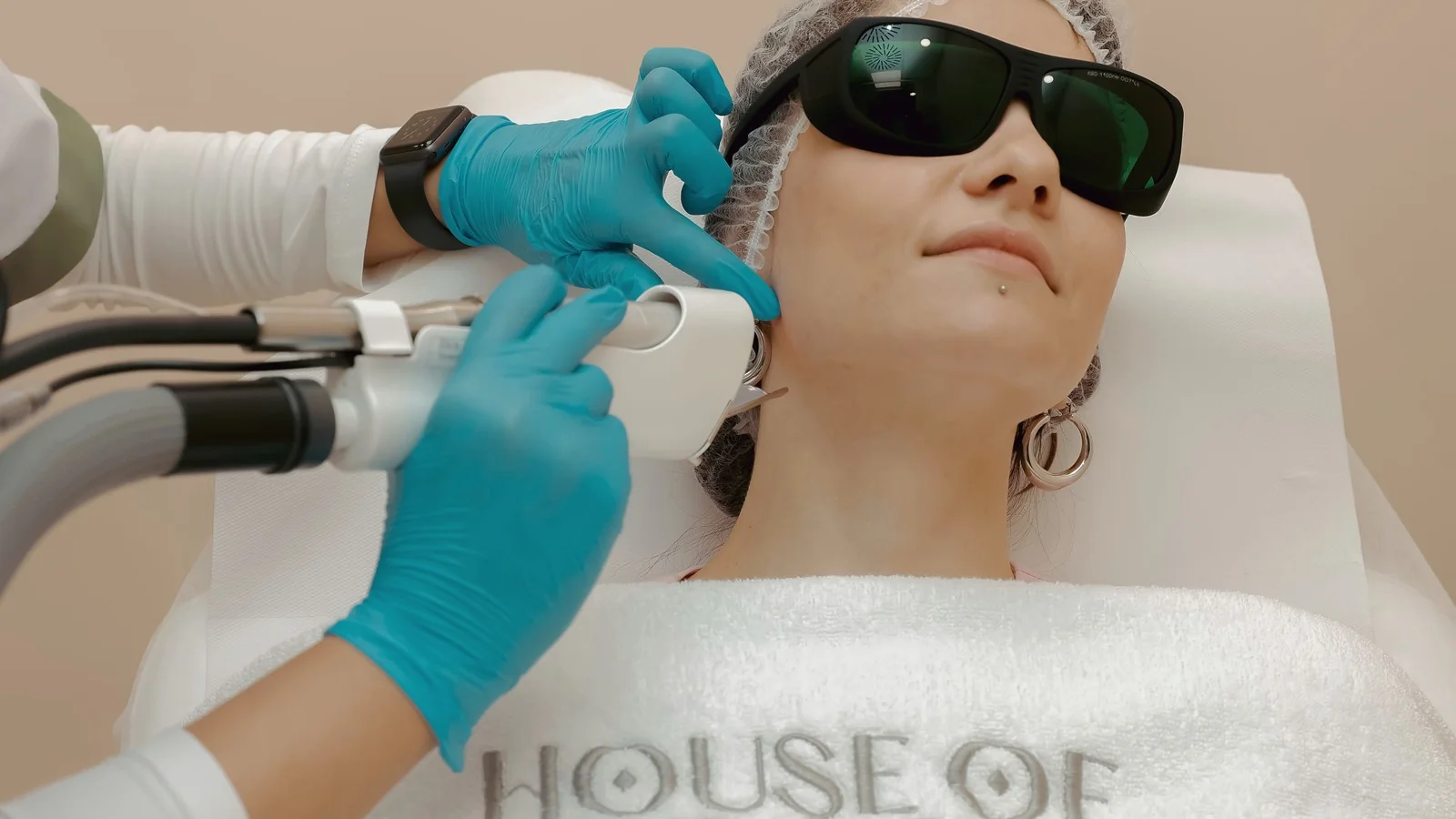
Laser & Technology · 5 min
Fractional CO₂ Laser Without the Hype: Preparation, Recovery and the Results That Take Time
Read next
Skin Health · 6 min