JournalLaser & Technology
Fractional CO₂ Laser Without the Hype: Preparation, Recovery and the Results That Take Time
Fractional CO₂ laser can be an excellent treatment, but it deserves an honest conversation. The preparation, the visible recovery and the months of gradual remodelling matter just as much as the appointment itself.
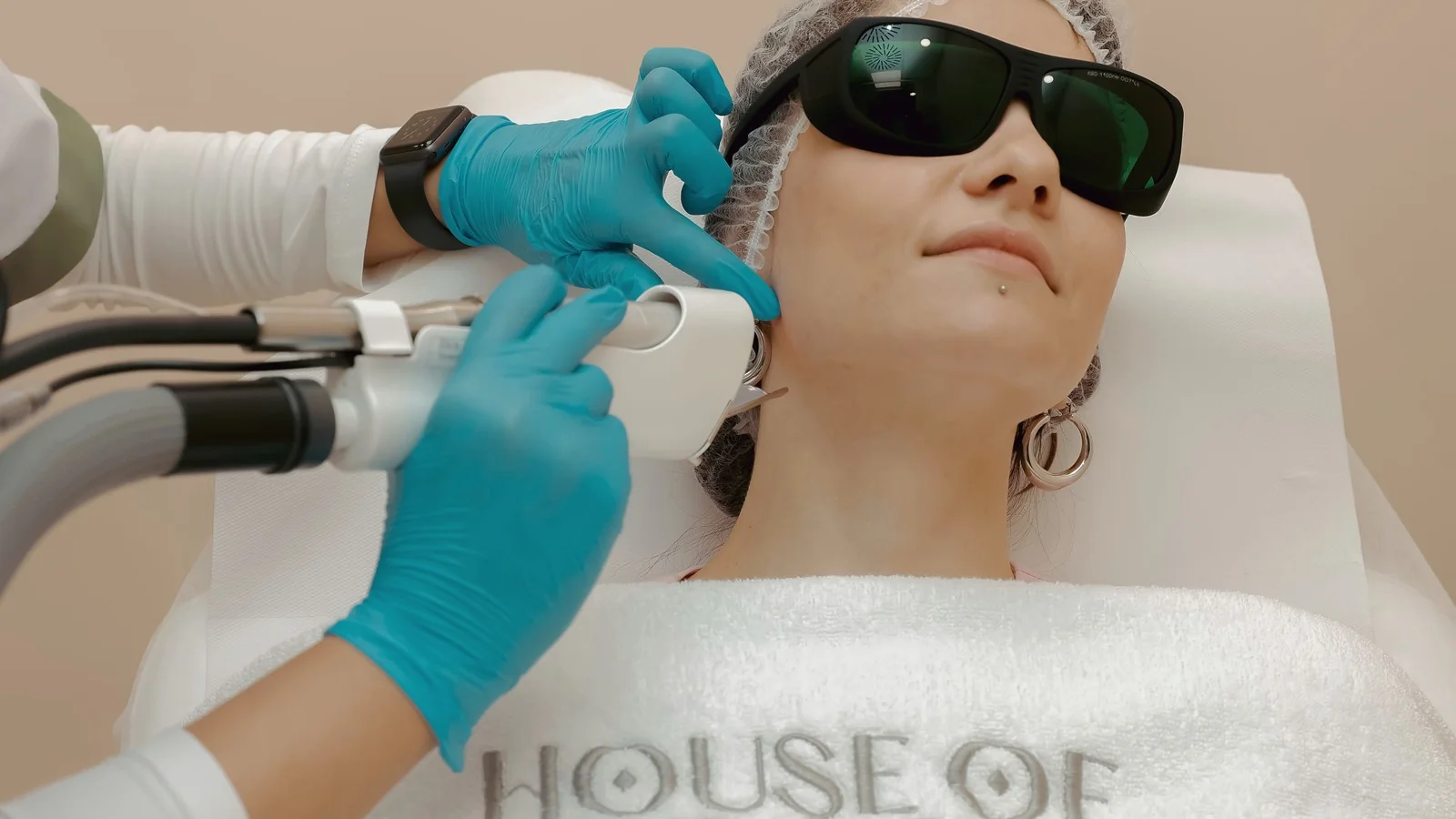

What ‘fractional’ changes
Fractional CO₂ laser creates tiny controlled treatment columns while leaving areas of skin between them to support healing. It is a powerful form of resurfacing, which is exactly why I take candidacy, preparation and aftercare so seriously.
Fractional does not mean superficial or risk-free. It remains a significant procedure whose intensity can be adjusted. The same device can produce very different experiences depending on settings, passes, density and treatment area.
What the treatment may improve
Fractional CO₂ laser is commonly considered for atrophic acne scars, uneven texture, selected fine lines, photodamage and some scars. It can blend scar edges and encourage collagen remodelling. The strongest evidence is not a promise that every concern will respond equally.
Deep narrow scars, significant tethering, active melasma, uncontrolled acne or primarily vascular redness may require another method or a combination plan.
Candidate selection matters more than enthusiasm
A consultation should consider skin tone, tendency to develop post-inflammatory pigmentation, active skin conditions, recent tanning, history of cold sores, scarring tendency, medications, immune status and previous procedures. The patient’s ability to complete aftercare and tolerate visible recovery is equally important.
A technically possible treatment is not automatically the most appropriate treatment for a particular month, season or life schedule.
Preparation is part of the procedure
Preparation may include a few practical changes before fractional CO₂ laser:
- Simplify irritating skincare — so the barrier is calm before treatment.
- Strengthen sun protection — and disclose any recent tanning or sunburn.
- Review products and medications — without stopping prescriptions unless the prescriber advises it.
- Discuss a history of cold sores — because medical antiviral prevention may be needed.
- Follow the clinic’s timing instructions — so the skin reaches the appointment in the safest condition possible.
Arriving with sunburn, active infection or an inflamed barrier can increase risk and lead to postponement.
What the appointment can feel like
Topical anaesthesia and cooling may be used, but sensation varies. Patients often describe heat, prickling or a strong sunburn-like feeling during and immediately after treatment. The treated area may look red and swollen.
Comfort should be monitored throughout. Increasing intensity simply to create a dramatic reaction is not a meaningful measure of quality.
“The visible procedure lasts one appointment. The real treatment includes preparation before it and disciplined healing long after the laser is switched off.”
The visible recovery period
During the first days, the skin may be warm, swollen, red, dry or covered with fine crusting. Peeling and a rough texture can follow. The exact pattern depends on treatment intensity and individual healing. Picking or removing crusts prematurely can increase the risk of infection, prolonged redness and pigmentation.
Aftercare usually focuses on gentle cleansing, prescribed or recommended protective products, avoiding friction and strict light protection. Only the clinician who performed the procedure can give the correct instructions for that treatment.
Downtime is not the same as healing time
A patient may feel ready to return to normal activities once the most visible peeling settles, but biological healing continues. Redness can persist, sensitivity may fluctuate and collagen remodelling develops over weeks to months.
This distinction is important when planning another procedure. Skin that looks closed on the surface may not be ready for additional intensity.
Pigmentation and prolonged redness
Temporary darkening or post-inflammatory hyperpigmentation can occur, particularly in pigment-prone skin or after sun exposure. Prolonged redness is also possible. Conservative parameters, preparation and aftercare reduce risk but do not eliminate it.
Unexpected worsening, blisters, increasing pain, pus, spreading redness or fever should be reported promptly because they may indicate a complication.
Why one session may not be the whole plan
A more intensive session may produce greater change but also more recovery and risk. Several lower-intensity sessions may suit another patient better. Scar type and objective matter more than the idea that one dramatic session is always superior.
The plan may also include other treatments before or after resurfacing, particularly when scars have different depths or attachments.
The result should still look like skin
The most realistic result is smoother transition, softened scars, refined texture and a fresher surface—not poreless, filtered perfection. Natural skin retains movement, follicles and variation.
Fractional CO₂ laser can be a powerful tool when the objective is clear and the recovery is respected. I would always rather recommend a more suitable treatment than use an aggressive technology simply because it is available.
Practical guidance
Questions patients often ask
General information supports understanding, but personal suitability and safety still depend on individual assessment.
01Is fractional CO2 laser suitable for every skin tone?
It can be used in different skin tones, but pigment risk varies and requires careful assessment, conservative settings and aftercare.
02How much downtime should I expect?
Downtime depends on intensity and individual healing. Redness, swelling, roughness, crusting and peeling can remain visible for several days or longer.
03Does the treatment hurt?
Topical anaesthesia and cooling can reduce discomfort, but heat and stinging are expected to some degree.
04Can fractional CO2 laser remove acne scars completely?
It can improve selected scars and texture, but complete removal is not guaranteed and combination treatment may be needed.
05When will I see the final result?
Early surface improvement appears after healing, while collagen remodelling continues for weeks to months.
06Can I wear makeup during recovery?
Makeup should only be resumed when the treated skin has healed enough and the treating professional confirms it is appropriate.
07Why is sun avoidance so important?
Recently treated skin is vulnerable, and ultraviolet exposure can increase inflammation and pigmentation risk.
08Can I pick the peeling skin?
No. Pulling crusts or flakes can injure healing skin and increase the risk of infection, marks and scarring.
09What symptoms require urgent contact?
Increasing pain, pus, fever, blisters, spreading redness, unusual swelling or rapidly worsening symptoms need prompt professional or medical review.
10How do I know whether CO2 laser or another treatment is better?
A scar and skin assessment should identify the target, risk profile, recovery tolerance and whether resurfacing addresses the main problem.

ABOUT THE AUTHOR
Franciele Sofiati
You deserve to plan your recovery with the same confidence as your treatment.
Care, in context
Bring the information into your context.
Plan the recovery before planning the laser. Personalised consultations are available in Londrina.
An assessment can consider your history, preparation, recovery and alternatives. Reading an article does not confirm that a procedure is suitable for you.
Continue reading
Related perspectives

Consultation & Care · 6 min
Before the Treatment: Why Thoughtful Aesthetic Care Begins with a Consultation
Read next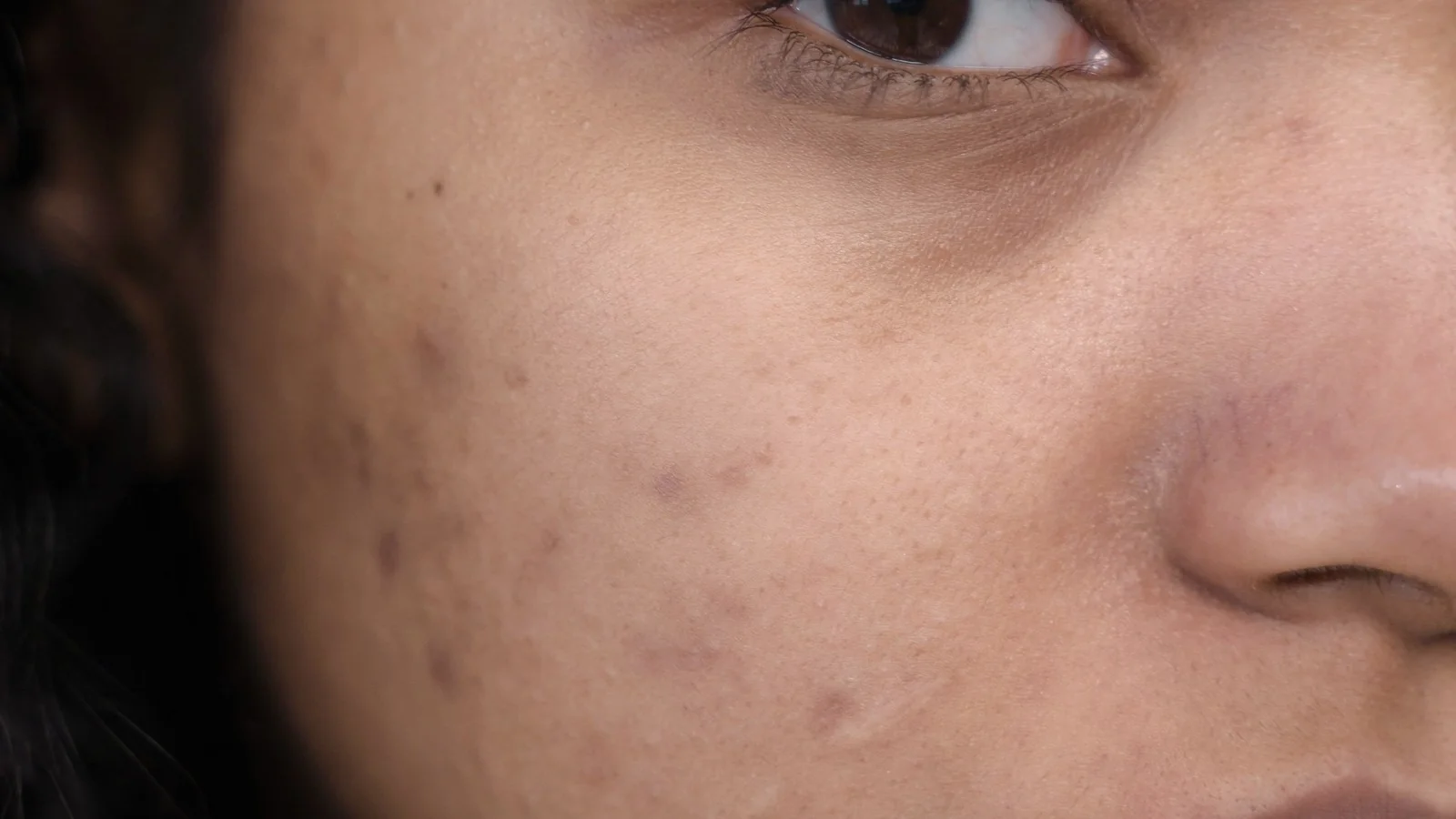
Skin Health · 6 min
Not Every Acne Scar Is the Same: Why Texture Requires a Layered Treatment Plan
Read next
Laser & Technology · 5 min