JournalHair & Scalp
Hair Thinning Needs a Cause Before It Needs a Procedure
Hair thinning can be deeply personal, and I understand the wish to begin treatment quickly. Even so, the most responsible first step is to understand what is changing and whether a medical investigation needs to come before a procedure.
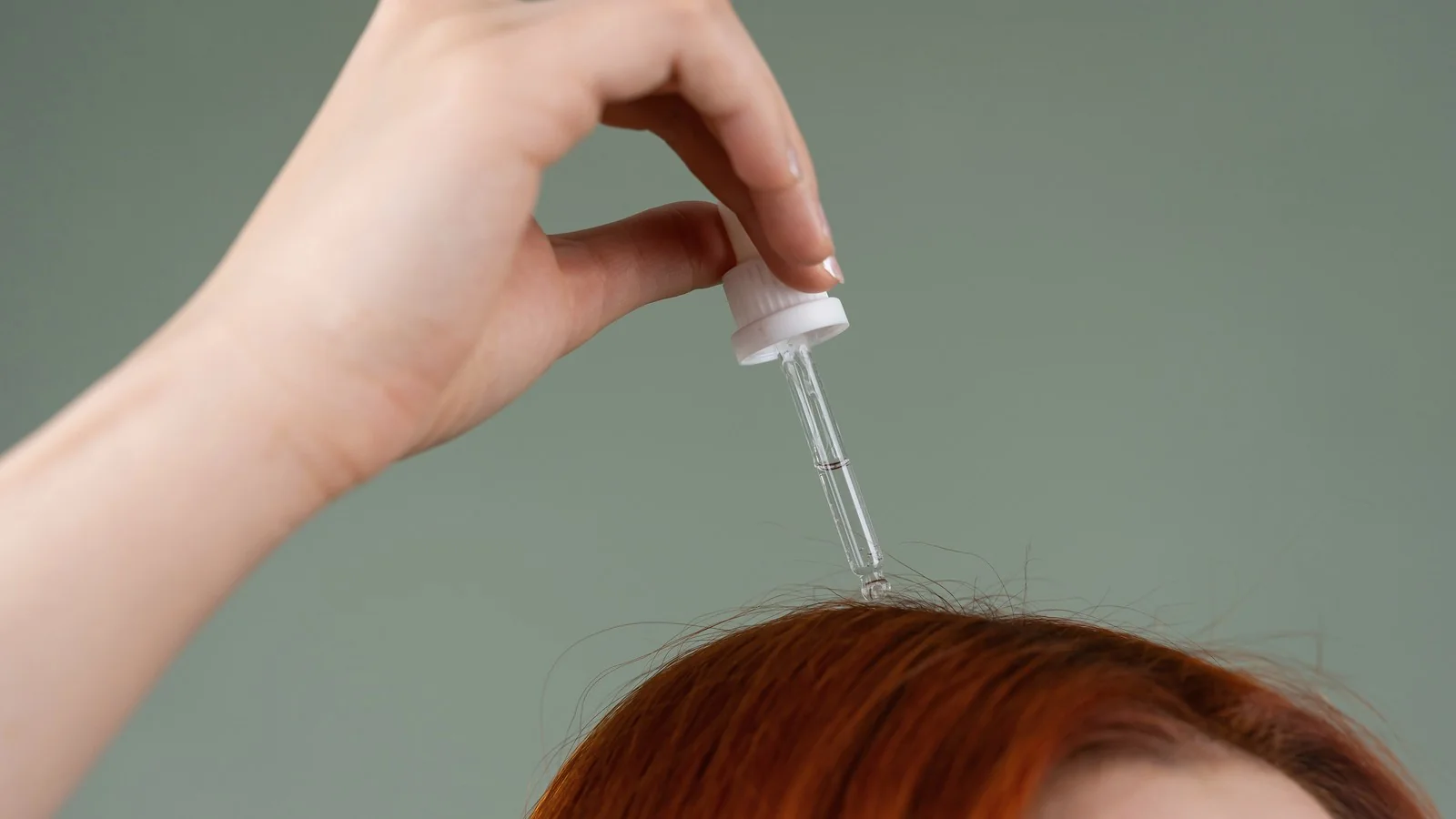

The difference between shedding, thinning and breakage
When someone says, “My hair is falling,” I begin by clarifying what they are actually seeing. Increased shedding, gradual thinning and breakage can happen together, but they are different processes and they do not lead to the same treatment plan.
The treatment changes depending on which process is dominant. A scalp procedure cannot repair a broken hair shaft, and a cosmetic strengthening routine cannot correct an untreated medical cause of shedding.
Why the timeline matters
Hair changes often follow events with a delay. Significant illness, surgery, childbirth, rapid weight change, intense stress or medication changes can trigger shedding weeks or months later. Patterned thinning develops more gradually and may be noticed as a smaller ponytail or wider central part.
Building a timeline helps connect the visible change to possible triggers and determines whether observation, investigation or treatment is appropriate.
Common causes need different care
Several common causes of hair change require very different forms of care:
- Androgenetic alopecia — gradual follicle miniaturisation linked to genetic and hormonal susceptibility.
- Telogen effluvium — increased shedding after a physical or emotional trigger.
- Alopecia areata — smooth patches caused by an autoimmune process.
- Inflammatory, fungal or scarring conditions — which need specific medical treatment.
- Nutritional or endocrine factors — which may contribute and sometimes require investigation.
Because these conditions can look similar to an untrained eye, persistent hair loss should not be managed indefinitely with cosmetic procedures alone.
Where scalp microneedling and microinfusion may fit
Microneedling creates controlled microchannels and has been studied mainly as an adjunct to established treatment for androgenetic alopecia. Systematic reviews suggest that combination approaches may improve hair density or diameter compared with topical treatment alone, but protocols vary and the evidence does not support using one technique as a universal cure.
Microinfusion methods can deliver selected substances into superficial scalp layers, but the product, indication, professional scope and medical diagnosis must be appropriate. More delivery is not automatically more effective or safer.
Why diagnosis cannot be replaced by a camera
Scalp imaging can document density, shaft variation, redness and scaling, but it does not replace a complete medical assessment when disease is suspected. Blood tests may be relevant for selected patients, and a dermatologist may use dermoscopy, examination or biopsy depending on the pattern.
Technology can support observation. It should not create false certainty.
“Hair treatment becomes more useful when the question changes from ‘Which procedure grows hair?’ to ‘Why is this hair changing, and what part of that cause can we responsibly address?’”
What a realistic treatment timeline looks like
Hair grows slowly. Early treatment may first reduce shedding before visible density improves. Photographs should be taken with the same parting, angle, lighting and hair condition. Comparing wet hair with dry hair or changing the camera distance can create misleading impressions.
Most meaningful assessments occur over months, not days. A plan that promises dramatic regrowth in a few weeks should be viewed cautiously.
The role of the scalp environment
Inflammation, heavy scale, folliculitis and uncontrolled dermatitis can affect comfort and may interfere with procedures. Gentle cleansing and appropriate scalp care can support treatment, but persistent itching, pain, pustules or thick scale should be medically assessed.
Oils and occlusive products are not universally helpful. In some conditions, they can increase build-up or irritation.
Hair practices are part of the consultation
Tight hairstyles, extensions, repeated bleaching, high heat and friction can contribute to breakage or traction-related loss. Early traction may improve when tension stops, but prolonged traction can become permanent.
A useful plan therefore asks not only what products are used, but how the hair is tied, dried, coloured and handled every day.
When medical treatment comes first
Sudden widespread shedding, smooth patches, loss of eyebrows, scalp pain, burning, pustules, scarring, shiny areas without follicular openings or symptoms of hormonal or systemic illness require medical evaluation. Early diagnosis is particularly important in scarring alopecia because destroyed follicles may not regrow.
Aesthetic scalp care can complement treatment after the condition is understood, but it should not delay investigation.
A plan needs evidence, not only hope
Hair concerns make people vulnerable to persuasive claims. The safest approach explains what is known, what remains uncertain, which treatment is supporting medical care and what result would count as meaningful.
A good plan may include referral, laboratory investigation, prescribed medication, procedural support, changes in hair practice and careful photography. Its strength comes from coordination—not from presenting one procedure as the answer to every form of hair loss.
Practical guidance
Questions patients often ask
General information supports understanding, but personal suitability and safety still depend on individual assessment.
01Is all hair loss caused by stress?
No. Stress can contribute to shedding, but genetic, hormonal, nutritional, inflammatory, autoimmune and medication-related causes are also possible.
02Can microneedling regrow hair by itself?
Evidence is strongest for selected combination treatment in androgenetic alopecia. It is not a universal standalone cure.
03How long before I see improvement?
Hair growth is slow. Meaningful assessment usually requires several months of consistent treatment and standardised photographs.
04Does shedding mean the follicles are dead?
No. Increased shedding can occur while follicles remain capable of growth. The cause determines the prognosis.
05Can vitamins stop hair loss?
Supplements help only when a relevant deficiency or medical indication exists. Unnecessary supplementation can be ineffective or harmful.
06Should I oil my scalp?
Not automatically. Oils may suit some hair routines but can worsen build-up or irritation in certain scalp conditions.
07What is the difference between hair thinning and breakage?
Thinning reduces density at the scalp; breakage shortens or weakens the hair shaft. Both can occur together.
08Can tight hairstyles cause permanent hair loss?
Yes. Prolonged traction can damage follicles, so early changes should be taken seriously.
09When should I see a dermatologist urgently?
Seek prompt assessment for painful, inflamed, scarring or patchy loss, pustules, rapid progression, eyebrow loss or shiny areas without follicles.
10What should I bring to a hair consultation?
Bring a medication and supplement list, relevant medical history, recent blood tests if available, previous treatment details and photographs showing the timeline.

ABOUT THE AUTHOR
Franciele Sofiati
Hair concerns can affect confidence deeply, and they deserve thoughtful, respectful attention.
Care, in context
Bring the information into your context.
Start with the pattern and the history. Personalised consultations are available in Londrina.
An assessment can consider your history, preparation, recovery and alternatives. Reading an article does not confirm that a procedure is suitable for you.
Continue reading
Related perspectives
Consultation & Care · 6 min
Before the Treatment: Why Thoughtful Aesthetic Care Begins with a Consultation
Read next
Laser & Technology · 5 min
Laser Hair Removal Is a Process, Not a Single Appointment
Read next
Consultation & Care · 6 min