JournalConsultation & Care
Before the Treatment: Why Thoughtful Aesthetic Care Begins with a Consultation
Before I recommend a treatment, I want to understand the person in front of me: what is bothering them, how their skin behaves and what kind of change would genuinely make sense. That conversation is where good aesthetic care begins.

What a before-and-after photograph cannot show
Before-and-after photographs are useful, but they show only the most visible part of care. They do not show the questions I asked first, the detail that changed my recommendation, the treatment I preferred to postpone or the moment when a medical referral was more appropriate than a procedure.
This quieter work matters. Aesthetic care involves living tissue, individual healing patterns and concerns that may appear similar while behaving very differently. A consultation creates the space to understand what is actually being treated and why. It also protects the patient from choosing a procedure because it is popular, new or widely advertised rather than because it is suitable.
A concern is not yet a diagnosis
A patient may arrive describing “spots”, “open pores”, “sagging”, “redness” or “hair loss”. These words are useful starting points, but they do not automatically identify the cause. Brown marks may relate to sun exposure, post-inflammatory pigmentation, melasma or another condition. Redness may be temporary sensitivity, visible vessels, rosacea or irritation from an overloaded routine. Hair shedding can be seasonal, nutritional, hormonal, inflammatory or patterned.
For this reason, an ethical consultation does not begin by matching a complaint to a machine. It begins by observing patterns, listening to the history and identifying when aesthetic assessment is sufficient and when medical investigation is necessary.
What I look at before recommending anything
A careful consultation brings several pieces of information together:
- Your main concern — when it began and what makes it better or worse.
- Your history — previous treatments, allergies, medications and current skincare.
- Your skin’s behaviour — recent sun exposure, sensitivity and the way it normally reacts.
- Important safety details — pregnancy or breastfeeding, cold sores, active infection and a tendency to form raised scars.
- Anything unexplained — especially a new or changing concern that has not yet been medically assessed.
The conversation should extend beyond the skin. Work commitments, travel, exercise, social events and tolerance for visible recovery can determine whether a treatment is practical at a particular time. A procedure can be technically appropriate and still be poorly timed.
Priorities create better plans than wish lists
Many people arrive with several concerns at once. They may want clearer tone, smoother texture, less redness, reduced hair, firmer contours and a simpler routine. Trying to address everything simultaneously often creates unnecessary complexity.
A stronger plan establishes priorities. The first step may be calming sensitivity before treating pigmentation, controlling active acne before addressing scars, or creating consistent sun protection before investing in a light-based procedure. Sequencing is part of treatment. It allows each stage to support the next instead of competing with it.
Realistic expectations are a clinical tool
Clear expectations are not pessimistic; they are protective. Most aesthetic treatments improve rather than perfect. Some results are gradual, some require a series and some need maintenance because the underlying biological process continues. Pigmentation may recur. Hormonal facial hair may regrow. Collagen-stimulating treatments develop over time and do not reproduce the effect of surgery. Scars can become softer and less noticeable without disappearing completely.
A useful consultation explains what change is realistic, what cannot be promised, how long improvement may take and what the patient must do to support the result.
“Good aesthetic planning is not about doing more. It is about understanding more before deciding what deserves to be done.”
When the best decision is to wait
Treatment may be postponed when the skin is inflamed, sunburned, infected, recently tanned or reacting unpredictably. It may also be delayed when a patient cannot follow the aftercare, has an important event too close to the recovery period or has started a medication that changes the risk profile.
Waiting is not a failure to treat. It is often evidence that the plan is being guided by safety rather than urgency.
When referral comes before aesthetics
Aesthetic professionals should recognise the limits of aesthetic care. New or changing pigmented lesions, persistent wounds, unexplained bruising, severe or sudden hair loss, signs of infection, intense pain, rapidly worsening inflammation or symptoms suggesting an underlying medical condition should be assessed by an appropriate physician.
Referral does not interrupt good care; it is part of good care. Once a concern has been properly investigated, aesthetic treatment may become clearer, safer and more effective.
A plan that can evolve
Skin changes with seasons, hormones, stress, health, age and routine. The best treatment plan is therefore structured but not rigid. It can be reviewed after each stage, adjusted according to the response and simplified when the original objective has been reached.
This is the difference between procedure-led care and the way I prefer to work. I am less interested in asking, “What can we do today?” than in asking, “What makes the most sense for this person now?”
Practical guidance
Questions patients often ask
General information supports understanding, but personal suitability and safety still depend on individual assessment.
01Do I need a consultation if I already know which treatment I want?
Yes. A preferred treatment can be discussed, but suitability still depends on your skin, history, objective and the timing of the procedure.
02Can treatment happen on the same day as the consultation?
Sometimes, when the procedure is appropriate and no preparation is required. In other cases, the safest plan begins with skincare changes, medical review or a later appointment.
03Should I bring a list of my skincare products?
Yes. Photographs or a written list of products, medications and supplements can make the assessment more accurate.
04What if I have several concerns?
They can all be discussed, but the plan will usually prioritise the concerns that influence the others or offer the greatest practical benefit.
05Will I be told exactly how many sessions I need?
An initial estimate may be possible, but the final number often depends on the response observed after treatment begins.
06Can a consultation confirm a medical skin diagnosis?
Aesthetic assessment can identify concerns and warning signs, but medical diagnosis belongs to an appropriately qualified physician or dermatologist.
07Why might a treatment be postponed?
Common reasons include active irritation, infection, recent tanning, unsuitable medication, insufficient preparation or an upcoming event that conflicts with recovery.
08Do previous cosmetic procedures matter?
Yes. Previous lasers, injectables, peels, surgery and prescription treatments may affect timing, settings and safety.
09What makes a treatment plan personalised?
It is adapted to the concern, skin characteristics, previous response, lifestyle, recovery tolerance, budget and long-term priorities.
10What should I expect after the consultation?
You should understand the proposed priorities, realistic outcomes, preparation, recovery, alternatives and any reason for medical referral before deciding how to proceed.
ABOUT THE AUTHOR
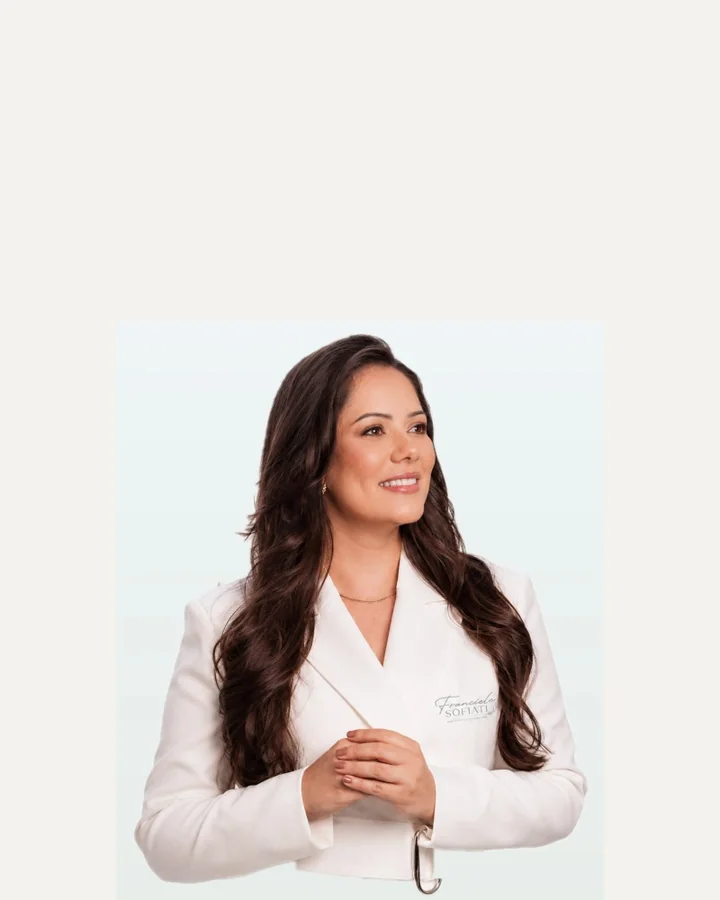
Franciele Sofiati
Taking care of yourself begins with a choice you understand and genuinely want.
Care, in context
Bring the information into your context.
Begin with context, not assumptions. Personalised consultations are available in Londrina.
An assessment can consider your history, preparation, recovery and alternatives. Reading an article does not confirm that a procedure is suitable for you.
Continue reading
Related perspectives
Consultation & Care · 6 min
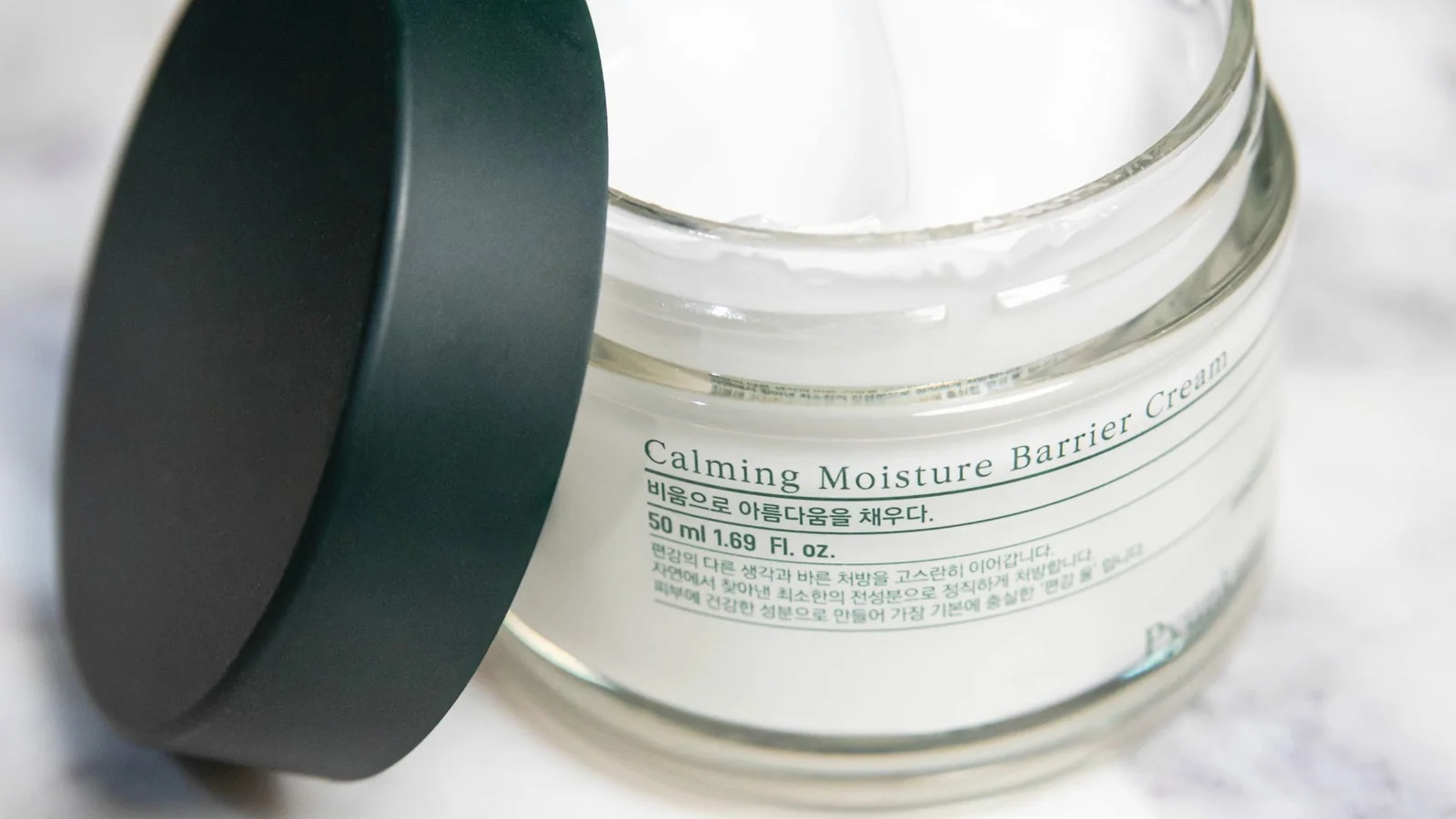
When More Is Not Better: Rebuilding a Skin Barrier Overwhelmed by Skincare
Read next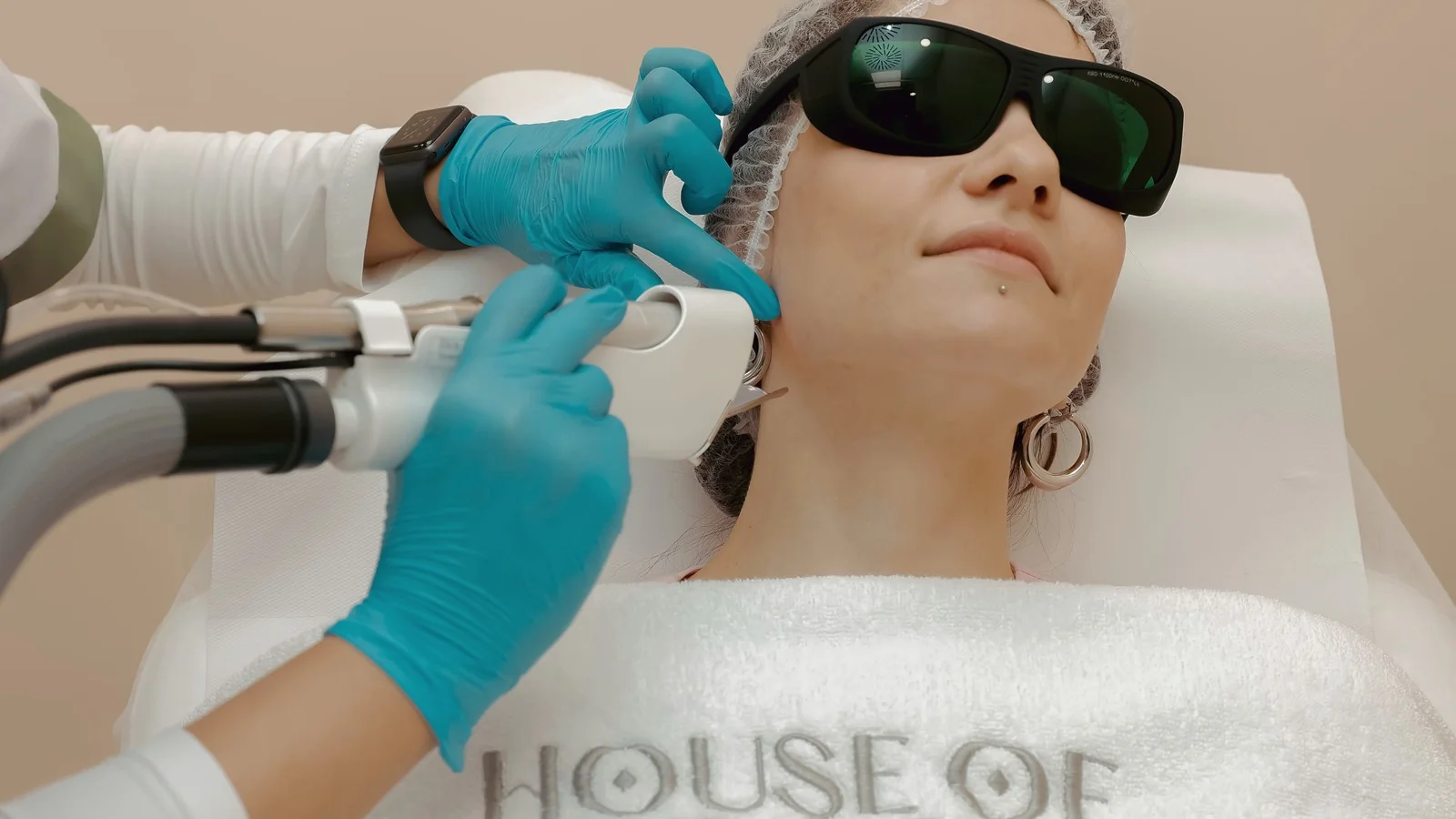
Laser & Technology · 5 min
Fractional CO₂ Laser Without the Hype: Preparation, Recovery and the Results That Take Time
Read next
Hair & Scalp · 6 min